Local gas guide
What gas work in Parramatta actually involves
If you can smell gas right now
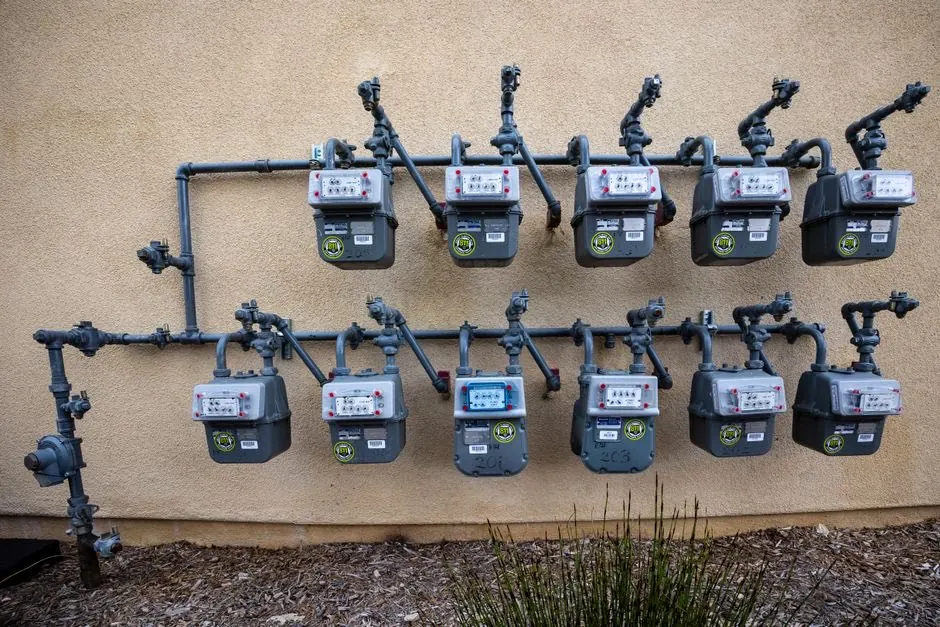
Everyone outside first, and stay out. Touch nothing electrical on the way: no light switches, no appliances, no phone indoors, no flames. From the footpath, call us and the gas emergency line on 131 909. If the meter is safe to reach on the way past, turn the handle a quarter turn so it sits across the pipe.
One thing worth knowing while you wait, because it stops the panic outrunning the problem. Natural gas has no smell at all. The rotten-egg odour is added deliberately, and it is added heavily enough that you can smell a leak long before it reaches a dangerous concentration. Act on a faint smell immediately, but smelling it does not mean you are standing in a bomb.
The old cottages and the new towers
Harris Park, North Parramatta and Granville still hold a lot of pre-war and interwar housing where the gas was run decades ago, extended once or twice since, and never fully mapped. Those runs are usually sound, but they were laid for a house that has since had a kitchen moved, a heater removed and a pergola built over the line.
The CBD towers are the opposite problem. The gas is new, documented and compliant, but it is shared infrastructure in a building with its own rules. Connecting a cooktop in an apartment is often less about the gas fitting than about strata approval and building access, and that is worth starting a week earlier than you think.
Ground movement gets the gas line too
Much of the district sits on Wianamatta shale, the reactive clay that swells and shrinks through the seasons. It gets discussed as a water pipe problem because that is where it shows up first and most visibly, but the same movement works on buried gas lines and on the joints where a run enters the building.
It rarely produces a dramatic failure. What it produces is a very small leak at a joint that has been flexed for twenty years, the kind you smell faintly near the meter on a still morning and not at all by lunchtime. That is worth fixing, and it is cheap while it is still small.
The bayonet point nobody has used since 2019
A lot of Parramatta homes have bayonet points in the wall for a gas heater, and a lot of those heaters have not been plugged in for several winters. The fitting is designed to seal when nothing is connected, and usually it does.
The ones worth checking are points that have had something knocked into them, been painted over, or sat behind furniture for years. Test it in March rather than discovering the problem on the first genuinely cold night, when every gas fitter in Sydney is already booked.
What a gas leak test actually is
It is a pressure test, not someone walking around with their nose. We isolate the installation at the meter, put it under pressure, and watch whether it holds. If it does not, the rate of the drop tells us roughly how big the leak is before we have found it, which narrows down where to look.
From there it is methodical section work. This is worth paying for rather than guessing at, because the smell tells you a leak exists but not where it is. Gas travels along the outside of a pipe and up through wall cavities, so the place it smells strongest is often not the place it is escaping.
Natural gas and LPG are not the same thing
This is the single most common wasted trip we make. An appliance is bought, delivered and unboxed, and it is set up for the other fuel. They run at different pressures with different injectors, and swapping between them needs a conversion kit and a licensed person to fit it.
Most of Parramatta is on reticulated natural gas, but not all of it. Rural-edge properties and some townhouse complexes run on bottled LPG. If you are buying an appliance, check the label before you pay rather than after it arrives.
Please do not chase a smell with a lighter
It sounds obvious written down, and people still do it, usually to check whether a pilot light has gone out. The soapy water test is the safe version: soap solution brushed onto a joint bubbles where gas is escaping, and it costs nothing.
The other one worth naming is the hardware-store leak spray used to declare a job finished. It will find a leak. It will not tell you the installation holds pressure, which is the thing the certificate actually attests to.
If it is a gas hot water unit that has stopped rather than a leak you are chasing, start with our guide on what to check when there is no hot water. It walks through the pilot, the supply and the isolation valve, and it will tell you whether this is a gas fitting job at all before you book one.
And if you can smell gas right now rather than planning work, our guide on what to do in the first three minutes of a gas smell covers the order to do things in, why turning a light off is as risky as turning it on, and the local catch that in most Parramatta flats the meter is in a common bank you may not have a key to.