A burst pipe is one of the few plumbing problems where minutes genuinely change the outcome. A 20mm supply line under mains pressure can push hundreds of litres onto your floors in the time it takes to find your phone. The good news: the single most important step needs no tools, no plumber, and about thirty seconds, once you know where to go.
Here is exactly what to do, in order, from the moment you hear that hiss or find the ceiling bulging. Work top to bottom and you will have the situation contained long before we arrive. If it is already past the point of containing, call the emergency plumbers in Parramatta first and read the rest while you wait.
Shut the water off at the mains first, it is the one step that actually stops the damage. Then kill the power if water is near it, open the taps to drain the pressure, contain the mess, photograph everything for insurance, and call a licensed plumber. Most Parramatta bursts trace back to reactive clay soil quietly pulling old pipe joints apart.
- Turn the main tap off (clockwise), usually at the front boundary
- Switch the power off if water is anywhere near it
- Open the lowest taps to drain the lines
- Move valuables and contain the drips
- Photograph the damage, then call a licensed plumber
On this page
- Shut off the water at the mains
- Kill the power if water is near it
- Open the taps to drain the pressure
- Contain the damage
- Photograph everything first
- Call a licensed plumber
- Why pipes burst around Parramatta
- Four things that make it worse
- When it is a genuine emergency
- How to stop it happening again
1. Shut off the water at the mains
Everything else is secondary to this. Stopping the water at the source turns an unfolding disaster into a wet floor and a repair job.
On most Parramatta properties the main tap and water meter sit near the front boundary, usually in a small rectangular box set into the lawn or a garden bed close to the street or the front fence. Lift the lid and you will see the meter and a tap beside it. Older cottages around Harris Park and North Parramatta sometimes have the tap against the front wall instead, and many freestanding homes also have a second isolation tap where the pipe enters the house.
Turn it clockwise, the righty-tighty direction, until it stops. A round wheel-style tap may take a few full turns; a modern lever turns a quarter turn so it sits across the pipe. If it is stiff, use steady pressure rather than a wrench, because a decades-old brass tap can shear right off and make a bad morning worse.
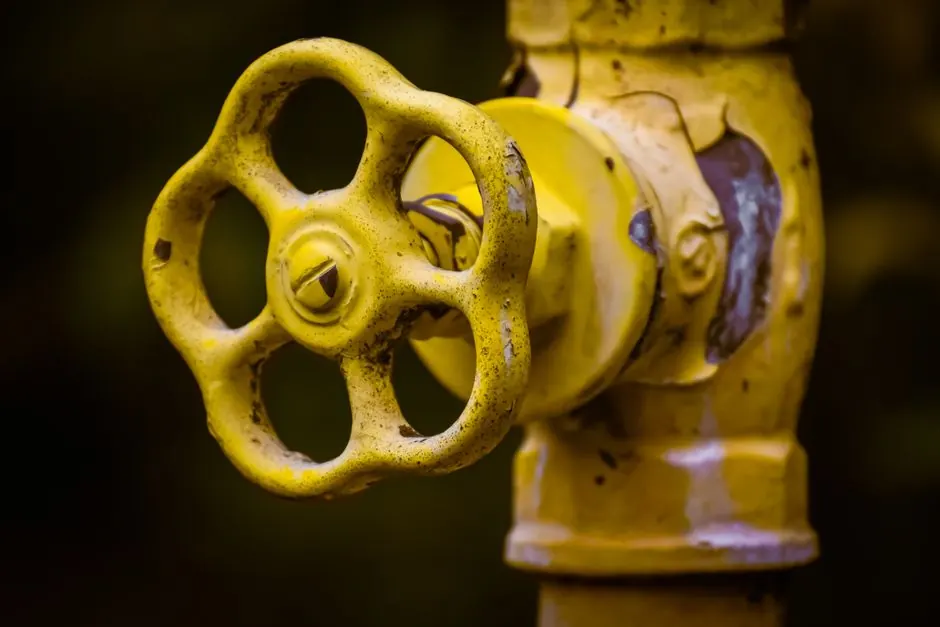
Go and find your main tap now, while nothing is wrong, and give it a test turn so you know it moves. In an apartment or townhouse the isolation valve is often under the kitchen sink or in a shared riser cupboard rather than out the front, and hunting for it with water pouring through the ceiling is nobody's idea of fun.
Once the main is off, it stays off until the pipe is repaired. Turning it back on to see whether it is still leaking simply re-pressurises the broken line and floods the house a second time.
2. Kill the power if water is anywhere near it
Water and electricity are the genuinely dangerous part of a burst pipe, not the mess. If water is dripping through a ceiling, running near power points, or pooling anywhere close to the switchboard or an appliance, switch off the electricity at the main switch on your meter board before you go wading in.
If you cannot reach the board safely without stepping through water, stay out and call us, or the emergency services, straight away. No repair is worth a shock.
3. Open the taps to drain the pressure
With the main off, open the cold taps at the lowest points in the house, an outside tap or the laundry, and let the pipes drain down. This bleeds the remaining water and pressure out of the system so the burst stops weeping and less water ends up where you do not want it. Flush a toilet once to clear the cistern too.
If the burst is on the hot side, switch off your hot water unit as well: kill its power or gas and close the valve on the cold inlet so it is not trying to refill and reheat an emptying tank.
4. Contain the damage while you wait
Now you can deal with the water already out. Move furniture, rugs and anything with a cord or a plug away from the wet area. Lift curtains off the floor. Get towels and a bucket under an active drip, and if water is trapped above a sagging plaster ceiling, a small hole with a screwdriver over a bucket will let it drain in a controlled spot rather than bringing the whole sheet down at once.
Open a window or two. Parramatta summers are humid, and moving air now means less chance of mould in the plaster later.
5. Photograph everything before you mop up
Before you start cleaning, take photos and a short video: the burst itself, the water, and every wet wall, floor and item. Most home and contents policies cover sudden water damage from a burst pipe, but the claim goes far more smoothly when you can show the state of things before cleanup. Keep any invoice we give you as well.
One caveat worth knowing: insurers generally cover the sudden damage, not a leak that was quietly left for weeks, and usually not the worn-out pipe itself. Acting fast protects both your home and your claim.
6. Call a licensed plumber, not just anyone
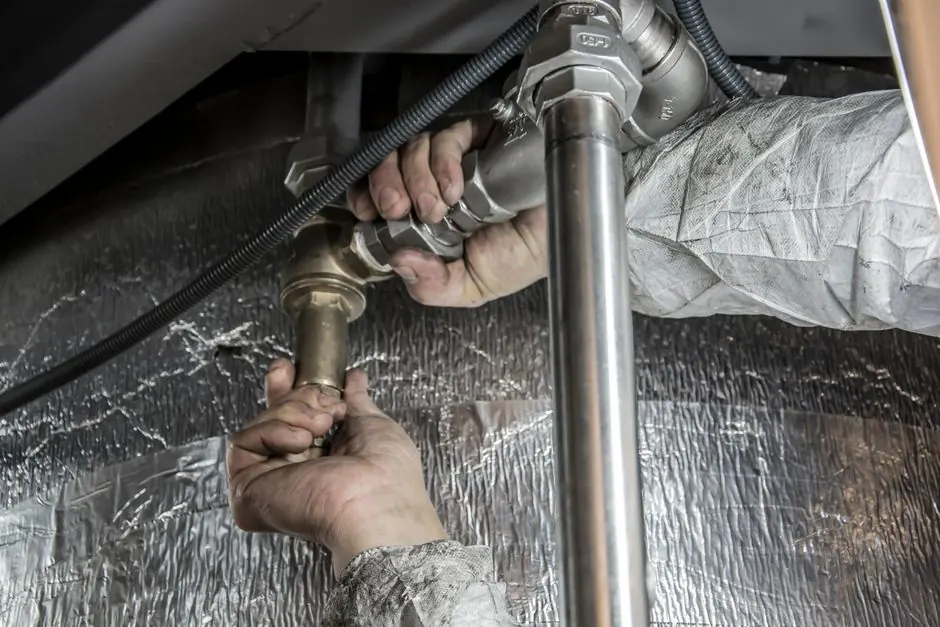
A burst pipe is exactly the moment the licence matters. Plumbing work in NSW must be done by a licensed plumber, unlicensed work is illegal and can void your insurance, and a proper repair means tracing where the pipe actually failed rather than slapping a clamp on the visible split and hoping. We put our licence number, 368473C, on every quote.
Burst pipe right now?
Main off and still leaking? A licensed Parramatta plumber can be on the way, 24/7.
7. Why so many pipes burst around Parramatta
Bursts are rarely bad luck. Around here they usually trace back to a few very local causes, and knowing which one you are dealing with changes the fix.
The ground moves. Much of Parramatta sits on Wianamatta shale, a heavy, reactive clay that swells when it is wet and shrinks back when it dries out. Across a Sydney year of wet spells and dry spells, that ground is constantly lifting and dropping the pipes buried in it, slowly working old joints apart until one lets go. It is the single most common reason a Parramatta pipe "suddenly" bursts, and why the same street can see it happen house after house.
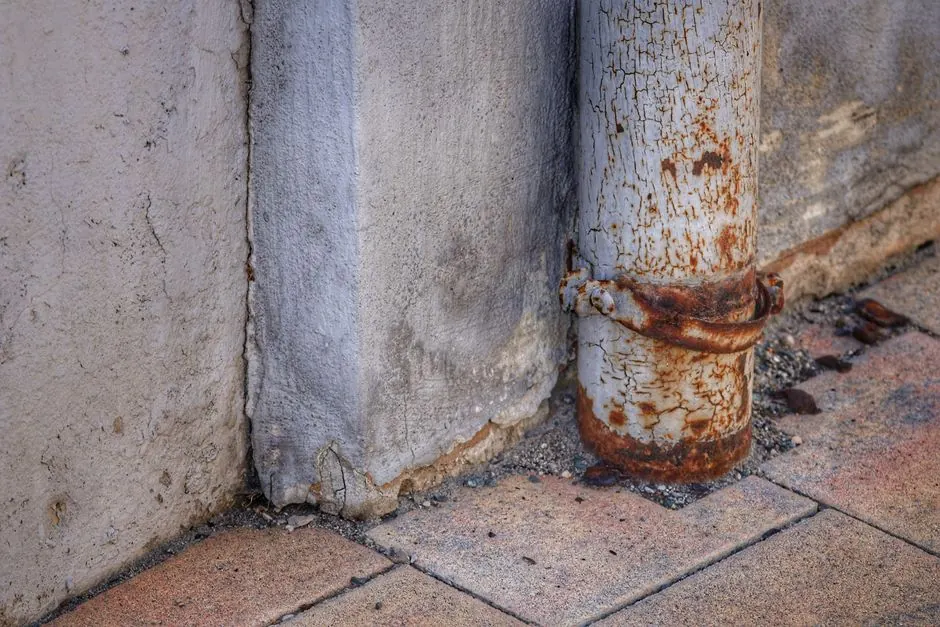
The pipes are old. Plenty of homes in Harris Park, North Parramatta and Granville still run on the original galvanised steel and earthenware pipework. Galvanised pipe rusts from the inside out over decades until the wall gives way, and older joints simply get brittle.
Soft water, thin copper. Sydney's water is soft, which is easy on kettles but can be less kind to copper pipe, where pinhole leaks quietly develop and occasionally open up into a proper burst.
Pressure and water hammer. High mains pressure and the bang of water hammer, that knock in the walls when a tap shuts, fatigue joints and fittings over time. A pressure-limiting valve is cheap insurance a lot of older Parramatta homes never had fitted.
8. Four things that make a burst worse
- Turning the water back on to "check". Once the main is off, leave it off until the pipe is repaired. Re-pressurising a broken line just floods the house again.
- Reaching into water near power. If in doubt about electricity, stay back and wait. Nothing here is worth a shock.
- Wrapping tape around it and forgetting it. A rag or tape might slow a weep for an hour, but it is not a repair, and the pipe will fail again, usually at a worse time.
- Leaving it to "dry out" on its own. Water tracks into wall cavities and under floors where you cannot see it, and Parramatta's humidity turns that into mould. Get it dried properly.
9. When a burst pipe is a genuine emergency
Call for a plumber straight away, day or night, if you cannot stop the water at the main, if water is near electrics or the switchboard, if it is coming through a ceiling, or if a hot water line has burst and there is a scalding risk. Those do not wait until morning.
If you have the main off, the leak has stopped, and it is a contained, cold-water split under a sink, you have bought yourself time to book the next available appointment rather than an after-hours call-out. Either way, we will tell you honestly which one you are looking at.
10. How to stop it happening again
- Know your main tap. Everyone in the house should be able to find and turn it in the dark.
- Fit a pressure-limiting valve if your home does not have one. It takes the strain off every joint in the house.
- Replace ageing galvanised runs before they fail rather than after. If one section has burst, the rest is usually the same age.
- Service your hot water unit. A spent sacrificial anode is a common local cause of tank failure, and checking it is far cheaper than a flooded laundry.
- Watch the water bill. A jump with no change in habits often means a hidden leak that is worth chasing before it becomes a burst.
- The main tap, usually at the front boundary, is the one thing everyone in the house should be able to find and turn in the dark.
- Stop the water, kill the power if it is near it, drain the lines, then contain and photograph the damage before you clean up.
- Around Parramatta, reactive Wianamatta clay and ageing galvanised pipe are the usual reasons a line lets go.
- Never re-pressurise a broken line to "check", and never treat tape as a repair.
- A licensed plumber (ask for the number, ours is 368473C) traces the real break and warranties the fix.
Burst pipe FAQs
Where is the water meter on a Parramatta home?
On most Parramatta properties the water meter and main tap sit near the front boundary, often in a small rectangular box set into the lawn or garden bed close to the street or the front fence. Older homes in Harris Park and North Parramatta sometimes have it against the front wall instead. If you rent or live in an apartment, the isolation valve may be under the kitchen sink or in a shared riser cupboard, so it is worth finding it before you ever need it.
Which way do I turn the water off?
Turn the tap clockwise, the righty-tighty direction, until it stops. A round wheel-style tap may need several full turns, while a lever-style tap turns a quarter turn so the handle sits across the pipe. If it is stiff, use steady pressure rather than forcing it, because very old taps can shear off.
Should I turn off the hot water system as well?
Yes, if the burst is on the hot water side or the tank itself. Switch off the power or gas to the unit and close the isolation valve on the cold inlet so it stops trying to refill and heat. Leaving an electric element running in an empty tank can destroy it.
Will home insurance cover a burst pipe in Parramatta?
Most home and contents policies cover sudden water damage from a burst pipe, but not damage from a slow leak that was left for weeks, and usually not the worn pipe itself. Acting fast and photographing everything before you clean up gives you the best chance of a smooth claim. Always check your own policy wording.
How much does a burst pipe repair cost?
It depends on where the pipe is and how much has to be opened up to reach it. A visible burst under a sink is a small job, while a cracked line under a slab or in the ground is a bigger one. We quote the full repair upfront before starting, so you approve a fixed price rather than watch a meter run.
Can I keep using water while I wait for the plumber?
Once the main is off, no water will run anywhere in the house, which is the point, because it stops the flood. If you only isolated the burst section, avoid using that line and keep an eye on it. When in doubt, leave the main off until the plumber has looked at it.