Most blocked toilets are cleared by the person who found them, with hot water and a plunger, in about fifteen minutes. The ones that are not usually turn out to have nothing to do with the toilet at all. There is a two-minute test that tells you which of the two you are dealing with, and doing it before you start plunging will save you either a call-out fee or a very unpleasant hour.
Here is the order I would work through it, and the point at which it stops being a toilet problem and becomes a drainage one. Past that point it is a job for plumbers servicing Parramatta with a machine, not a plunger.
Stop flushing, then check whether anything else in the house is draining badly and whether the gully grate outside is overflowing. If it is only the toilet, hot water and detergent followed by a proper plunge clears most blockages. If other fixtures are backing up or the gully is spilling, the problem is the main line, not the pan, and plunging will only push more water into it.
- Stop flushing, and lift the cistern lid to stop it refilling
- Check the other drains and the gully grate outside
- If it is just the pan, try hot water and dish detergent
- Plunge properly, with the bowl about half full
- If it reblocks, or the gully is spilling, get the line looked at
On this page
1. Stop flushing, and stop the cistern refilling
The instinct is to flush again and see whether it goes down. Resist it. If the pan is already full, a second flush adds another nine litres or so to a bowl that has nowhere to put it, and that is how a blocked toilet becomes a bathroom floor you have to disinfect.
If the water is rising toward the rim, take the lid off the cistern and push the flush valve back down, or lift the float so the inlet stops filling. Then close the small isolation tap on the wall behind the pan, usually a chrome quarter-turn valve on the flexible hose. That takes the toilet out of play completely while you work out what you are dealing with.
Find the isolation tap behind your toilet now, and check it actually turns. In the older cottages around Harris Park, North Parramatta and Granville these are often original brass that has not moved in decades, and they seize. In a newer CBD or Westmead apartment it will usually turn fine, but it can be hidden behind a removable panel in the vanity rather than out in the open. Either way it is a much easier thing to find on a quiet Sunday than with a bowl about to go over.
2. The two-minute test: is it the toilet, or the whole line?
This is the step almost everyone skips, and it is the one that decides everything else.
Go and check the other fixtures. Run the shower, the bath and the laundry tub for thirty seconds each and watch how they drain. Then go outside and look at your overflow relief gully, the grated drain sitting low in the yard, usually near the back or side of the house and often close to the bathroom wall.
If the toilet is the only thing misbehaving and everything else drains away cleanly, the blockage is almost certainly in the pan or the short length of pipe just past it. That is the part you can have a reasonable go at yourself, and the rest of this guide is for you.
If the shower is slow, the floor waste is bubbling, or that gully outside is holding water or spilling onto the ground, stop. The blockage is in the main line that everything drains into, and the toilet is just the first fixture to show it. Nothing you do at the pan will help, and every litre you put down any drain in the house makes it worse.
In an apartment there is no gully to look at, so the test is different. This is the more likely case in Parramatta than anywhere else in Sydney: 85.6 per cent of dwellings in the suburb were flats or apartments at the 2021 Census, against 7.7 per cent separate houses. Your equivalent of the gully test is your neighbours. Ask the units directly above and below you whether their bathrooms are draining normally, and check whether the problem started for several of you at once. If it did, it is the shared stack rather than your pan, and the fix belongs to the building.
That grate is a designed pressure release. NSW requires it to sit at least 150 mm below the lowest fixture connected to the drain and at least 75 mm above finished ground level, precisely so that when the line backs up, the wastewater lifts the grate and goes into the yard rather than up through your shower. If yours is spilling, it is protecting the inside of your house. Keep kids and pets off it, stop using water, and call someone.
The flip side: if a previous owner paved over the gully or set it too low, that protection is gone, and the water comes up inside instead. It is worth checking yours has the clearance it should.
3. If it is just the pan: hot water and detergent
Start with the gentlest thing that works, because it very often does. Squeeze a decent amount of ordinary dish detergent into the bowl, leave it a few minutes to sink into the trap, then pour in a bucket of hot tap water from about waist height so it arrives with some force.
Hot tap water, not boiling. Boiling water poured into a cold vitreous china pan can crack it, and a cracked pan is a much more expensive morning than a blocked one. Give it ten minutes, and if the level drops on its own, flush once and watch it go through properly before you call it done.
4. How to plunge properly, because most people do not
A plunger fails more often from technique than from the blockage. Three things matter.
Use the right one. A flat cup plunger is made for a flat sink surface and will not seal in a toilet. You want a flange plunger, the type with a soft rubber sleeve that folds out of the cup and pushes down into the outlet of the pan.
Get the water level right. The cup has to be submerged, because you are moving water, not air, and air just compresses. If the bowl is nearly empty, top it up. If it is nearly full, bail some into a bucket first so it does not go over the rim.
Push gently, pull hard. Seat the flange in the outlet and press down slowly to expel the air without splashing, then work it up and down with steady strokes for fifteen or twenty seconds. The pull stroke is the one that does the work, since most blockages come back toward you more easily than they go forward.
5. A toilet auger, and where DIY stops
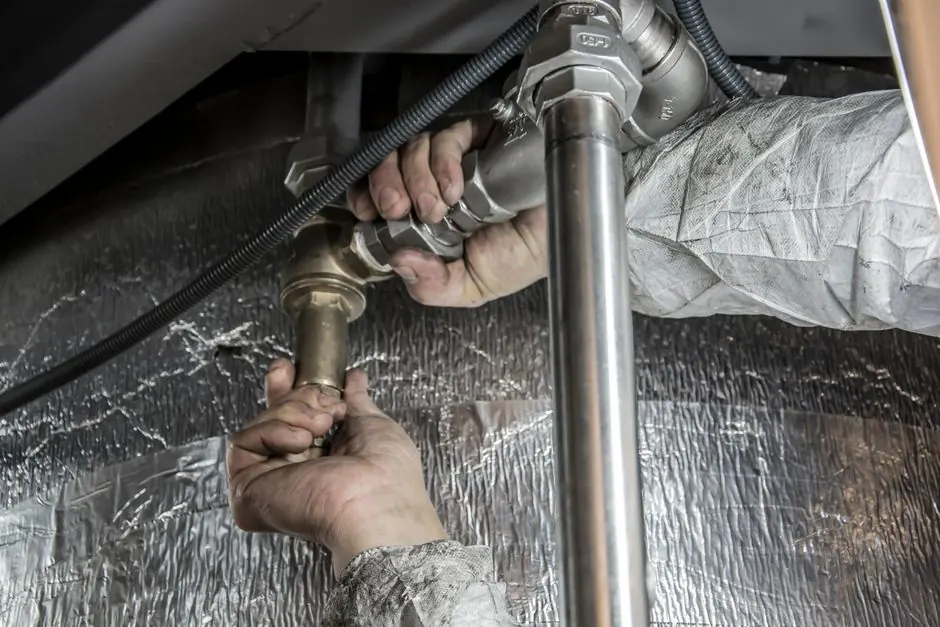
If plunging has not worked after a few honest attempts, the next tool is a toilet auger, sometimes called a closet auger. It is a short flexible cable in a rigid sleeve with a bend that fits the shape of the pan, designed to reach into the trap without scratching the china. Feed it in gently, crank, and pull back.
What you should not do is push a garden hose, a straightened coat hanger or a general-purpose drain snake down there. Wire scratches the glaze, and a hose just moves water into a pipe that is already full.
Stop and call a plumber if the auger will not pass, if the blockage clears and returns within a few weeks, if more than one fixture is affected, or if there is any wastewater coming up anywhere. At that point the answer is a camera down the line, not more force from the top, which is what our blocked drain clearing is for. Plumbing work in NSW has to be done by a licensed plumber, and we put our licence number, 368473C, on every quote.
Blocked and not shifting?
If it is backing up into the house or the gully is spilling, a licensed Parramatta plumber can be on the way, 24/7.
6. Apartments and townhouses: whose blockage is it?
Given how much of the suburb lives in a tower, this is the section most Parramatta readers actually need. If you are in the CBD or the Westmead high-rise belt, your toilet does not drain into a pipe under your own back yard. It drains into a stack shared with every unit above and below you, and that changes both who fixes it and who pays.
The practical version is simple. A blockage in your own pan is yours. A blocked shared stack is the building's, and it is not a job you should be booking yourself, because a plumber working on one unit's fixture cannot fix a line serving twenty.
The NSW common property memorandum sets out the split plainly. The lot owner is responsible for the toilet bowl and cistern, for the sink, basin and their S bends, for taps, and for pipes downstream of a stopcock that serve only that lot and are not inside a common property wall. The owners corporation covers pipes within a common property wall, floor or ceiling, any floor drain or sewer in common property, and the main stopcock to the unit. Worth knowing that the memorandum applies where a scheme has adopted it, so your by-laws are the final word.
So before you do anything else: knock on a neighbour's door, or message the building group chat. If units above or below you are affected too, it is the stack, and the call goes to your strata manager or building manager, not to us.
7. Why blockages keep coming back around Parramatta
Once you get past the wet wipes and the toy dinosaur, the recurring blockages around here have a fairly specific set of local causes.
Old clay pipe on the pre-1970s streets. Vitrified clay, often called earthenware, was the standard sewer material until plastics took over in the mid-1970s. Plenty of homes in Harris Park, North Parramatta and Granville still run on it. Clay was laid in short lengths joined end to end, and those early joints were sealed with mortar rather than a rubber ring, so they were never genuinely watertight. Every one of them is a potential way in.
Ground that will not sit still. Parramatta sits on the Cumberland Plain, underlain by Wianamatta Shale, which weathers into a deep, heavy, reactive clay soil. Reactive means it swells when it takes on water and shrinks back as it dries, and across a Sydney year of wet spells and dry spells the ground is constantly lifting and dropping whatever is buried in it. Give that decades and it works old pipe joints apart. It is the reason so many drainage problems here are a whole street's problem rather than one house's bad luck, and it is the same ground movement behind most of the burst water pipes we get called to locally.
Roots, following the two above. A mature street tree is not looking for your sewer, it is looking for water, and a slightly open joint on a warm damp line is exactly what it wants. Once fine roots get through the gap they thicken inside the pipe and catch everything that passes. This is why a line can be cleared properly and be blocked again by the following season, and why root-driven blockages so often show up on the same calendar cycle each year.
The newer half of the suburb has the opposite problem. Post-1970s estates and the towers are on PVC with sealed rubber-ring joints that roots very rarely get into. When those block, it is almost always what went down them: wipes, cooking fat, or a cistern that has been used as a bin. Sydney Water's line on it is blunt, nothing goes in the toilet other than pee, poo and paper, and they cite one Sydney resident's $16,000 repair bill caused by flushed wet wipes.
8. Five things that make a blocked toilet worse
- Flushing again to check. The single most common way a contained problem becomes a floor-cleaning problem.
- Chemical drain cleaner. Caustic products give off heat, are hard on old clay lines and seals, and do essentially nothing to tree roots. On a fully blocked line the product cannot go anywhere either, so it just sits there, and now whoever clears it is working in caustic water.
- Wire down the pan. A coat hanger or a general drain snake scratches the glaze, and a scratched pan catches paper and stains from then on. You trade one bad day for a permanent nuisance.
- Running the washing machine anyway. If the blockage is in the main line, everything you drain surfaces at the lowest opening in the system. That is the gully outside if you are lucky, and a floor waste inside if you are not.
- Treating a repeat blockage as bad luck. Two clears in a year on an older Parramatta line is not coincidence, it is a pipe with a defect in it.
9. When it is an emergency, and when it can honestly wait
Call straight away, at any hour, if wastewater is coming up through a shower, floor waste or the gully, if the toilet is overflowing and you cannot stop the water, if more than one fixture is backing up at once, or if it is the only toilet in the house and it is out of action.
It can reasonably wait for a normal appointment if the toilet is isolated at the wall tap and not overflowing, nothing else in the house is affected, and you have another toilet you can use. A blocked pan that is sitting still is not doing any damage, and you will pay less for a booked visit than an after-hours one. We will tell you honestly which of the two you have described on the phone.
One thing that trips people up in the Parramatta towers: the "is anything else affected" question does not stop at your front door. On a shared stack the other affected fixtures may be two floors down in a unit you have never been into, so a blockage that looks contained from inside your bathroom can already be flooding somebody else's. If you are in a unit and anything at all seems off beyond your own pan, that is a call to the building manager tonight, not a booking for Thursday.
One more call to make. If the overflow is visible beyond your property boundary, if a maintenance hole on public land is spilling, if your neighbours have the same problem at the same time, or if wastewater keeps coming up when nobody is using any water, it may well be Sydney Water's pipe rather than yours. Their faults line is 13 20 90 and it runs 24 hours a day. Sydney Water's rule is that you own the wastewater pipes up to the point where they connect to their system, including that connection point itself. If a licensed plumber finds the blockage is on their side and gets a job number from them, you can claim reasonable out-of-pocket costs back.
10. How to stop it happening again
- Nothing but pee, poo and paper. Wipes labelled flushable are the single biggest cause of blockages in the newer parts of the suburb. They leave the house fine and knit together further down.
- Keep fat out of the sink. It cools, sets on the pipe wall and narrows the line that your toilet also drains into. A jar in the bin is a better home for it.
- Get a camera down an old line once. If your place predates the mid-1970s, which covers a lot of Harris Park, North Parramatta and Granville, knowing where the bad joints actually are turns a recurring emergency into a planned job.
- Deal with roots at the source. Cutting them clears the line but not the entry point. Relining the affected section seals the joint from the inside without opening the ground, which matters on the older Parramatta blocks where the sewer runs under a mature garden, a driveway on a narrow lot, or a property inside a heritage conservation area where excavation is not a simple decision.
- Keep the gully clear. Do not pave over it, plant it in, or stack pots on it. It is the thing standing between a blocked main and your bathroom floor.
- Stop flushing, isolate the toilet at the wall tap, then check the other drains and the gully before you touch anything.
- One fixture affected means the pan. Several fixtures, or a spilling gully, means the main line, and plunging will only make it worse.
- Hot tap water and detergent first, a flange plunger second, a toilet auger third. Never boiling water, never wire, never caustic cleaner.
- In a Parramatta apartment, the pan and cistern are yours and the shared stack is the building's. Ask a neighbour before you book anyone.
- A blockage that keeps coming back on a pre-1970s clay line is a pipe defect, not bad luck. Get a camera on it.
Blocked toilet FAQs
My toilet is blocked and I live in a Parramatta apartment. Is it mine or the building's?
It depends on where the blockage sits, and in Parramatta this question comes up constantly, because at the 2021 Census 85.6 per cent of dwellings in the suburb were flats or apartments. Under the NSW common property memorandum, the toilet bowl and cistern are the lot owner's, along with pipes downstream of a stopcock that serve only that lot and are not inside a common property wall. The owners corporation covers pipes within a common property wall, floor or ceiling, and any floor drain or sewer in common property. So a blockage in your own pan is yours, and a blocked shared stack behind the wall is the building's. The quick real-world test is whether anyone else in the block is affected. Note the memorandum applies where a scheme has adopted it, so check your by-laws.
How do I know if the blockage is Sydney Water's problem and not mine?
Sydney Water's rule is that you own all wastewater pipes and fittings up to where they connect to their system, including the point of connection. It is probably their blockage if the overflow is visible beyond your property boundary, such as from a maintenance hole on public land, if your neighbours have the same problem at the same time, or if wastewater keeps overflowing even when nobody in the house is using water. Call the Sydney Water faults line on 13 20 90, which runs 24 hours a day. If a licensed plumber finds the blockage is in Sydney Water's pipes and gets a job number from them, you can claim reasonable out-of-pocket costs back.
Why does my toilet keep blocking again at my Harris Park house every few months?
Because clearing a blockage is not the same as fixing the pipe. Homes built before the mid-1970s around Harris Park, North Parramatta and Granville were plumbed in vitrified clay, laid in short sections with mortared joints that were never watertight. Parramatta sits on the Cumberland Plain over Wianamatta Shale, which weathers into a reactive clay soil that swells in wet weather and shrinks back in dry weather. That seasonal movement works the old joints apart, roots find the gap, and the line reblocks on roughly the same cycle every year. If yours is clearing and reblocking, ask for a camera inspection rather than another clear.
Can I pour a chemical drain cleaner down a blocked toilet?
We would not, and especially not on Parramatta's older clay lines. Caustic cleaners give off heat as they work, they are hard on ageing pipework and seals, and they do almost nothing to tree roots, which is what a lot of local blockages actually are. If the line is fully blocked the product does not go anywhere either, so it sits in the pan as a bowl of caustic water that then has to be dealt with before anyone can plunge or auger it. Hot tap water and dish detergent are safer and work better on the soft blockages you can clear yourself.
The grate in my back yard is overflowing when I flush. What is that?
That is your overflow relief gully, and it is doing exactly what it was designed to do. NSW requires it to sit at least 150 mm below the lowest fixture connected to the drain and at least 75 mm above the finished ground surface, so that when the line backs up the wastewater lifts the grate and spills into the yard instead of coming up through your shower and floor wastes. It is a good sign in the worst way. Stop using water in the house entirely, keep children and pets away from it, and get a plumber out, because the blockage is in the main line rather than the toilet.
My toilet flushes fine but gurgles when the shower drains. Should I worry?
It is worth acting on. A gurgle means air is being pulled through the water in the pan because the drain cannot breathe properly, which usually points at a partial blockage or a vent problem further down the line rather than anything wrong with the toilet itself. On the older clay-pipe streets around Parramatta that noise is very often the first sign of root intrusion, months before anything actually overflows. It is much cheaper to look at it with a camera at the gurgling stage than after the line closes over.
Is it safe to keep using the shower and washing machine while the toilet is blocked?
Only if you are certain the blockage is in the toilet pan itself. If it is further down the line, everything you drain has nowhere to go and will surface at the lowest opening in the system, which is usually the overflow relief gully outside, or a floor waste or shower inside if the gully has been paved over or set too high. Until you know which it is, stop the washing machine and dishwasher and keep showers very short.