Standing in ankle-deep water waiting for the shower to drain is one of those problems that feels like it should be a plumber's job and usually is not. Most blocked showers are a lump of hair sitting within arm's reach of the grate, and you can have it out in ten minutes with nothing but a gloved hand. The part worth getting right is knowing when it is that, and when the shower is just the lowest thing in the house showing you a problem much further down the drain.
Here is what to do, in the order a plumber would do it, plus the two-minute check that tells you whether to keep going or stop and pick up the phone.
Lift the grate and pull the hair out first, because that clears most of them. Flush it with hot water from the tap, never a kettle. Then check whether anything else in the house is slow: if the basin, the toilet and the laundry are all fine, it is the shower waste and you can keep going. If they are slow too, stop, because the blockage is in the drain line and no amount of plunging the shower will reach it.
- Stop using it and clear the standing water
- Lift the grate and pull out the hair
- Flush with hot tap water, not boiling
- Check whether it is only the shower
- Plunge it properly if the shower is the only slow fixture
- Look at the gully outside if more than one thing is slow
- Call a licensed plumber if it is still not draining
On this page
- Clear the standing water
- Lift the grate and pull out the hair
- Flush with hot tap water, not boiling
- Check whether it is only the shower
- Plunge it properly
- Look at the gully outside
- Call a licensed plumber
- Why shower drains block around Parramatta
- In an apartment, whose drain is it?
- Five things that make it worse
- When it is an emergency
- How to stop it coming back
1. Stop using it and clear the standing water
Nothing you do next works while there is 40mm of grey water sitting on the tiles. Bail it into a bucket with a jug or a takeaway container, or push it towards the waste with a squeegee and let it seep away. If it is draining at all, even slowly, ten minutes of leaving it alone will usually clear the floor for you.
While you wait, tell whoever else is home to leave the bathroom alone. If the blockage turns out to be further down the line, every flush and every basinful adds to what has to come back up somewhere, and the shower floor is very often the lowest opening in the house.
2. Lift the grate and pull out the hair
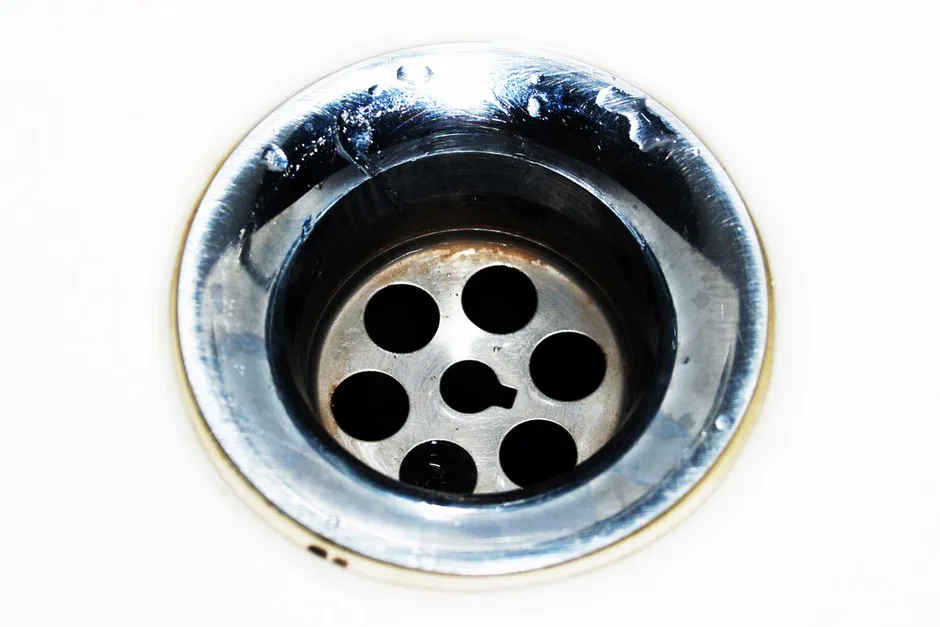
Australian showers are built so you can do this. Under AS/NZS 3500.2:2021 a shower has to have a minimum DN80 grate or channel grate, and the Building Commission NSW advisory note on floor waste and fixture requirements (note 2/2023) restates the same rule for gullies: an accessible, removable grate. Yours is designed to come out. Most lift with a fingernail or a flat screwdriver in the slot; some have a single screw in the centre.
With the grate off, put on a glove and go in. What comes out is almost never a solid plug. It is a wet rope of hair bound together with shampoo, conditioner and skin oil, and it usually sits in the first 50 to 100mm where the waste narrows. A cheap plastic drain hook from the hardware, or a wire coat hanger with a small hook bent into the end, will drag out what your fingers cannot reach.
3. Flush it with hot tap water, not boiling
Once the hair is out, run the hot tap into it hard for a couple of minutes to move whatever is left. Hot water from the tap is the right tool and a kettle is not.
Two reasons. First, hot water delivered to a bathroom outlet in NSW is capped at 50 degrees by a tempering valve under AS/NZS 3500.4, which is a safe temperature for the pipe as well as for you. Second, the PVC waste pipe under your shower has a softening point of around 80 degrees, and the manufacturers of DWV pipe to AS/NZS 1260 specifically warn against full-bore discharge at the highest temperatures. A kettle at 100 degrees poured straight down a DN40 waste is above the material's softening point. It can distort a fitting or shift a joint, and then you have a leak in the floor instead of a slow shower.
4. Check whether it is only the shower
This is the two minutes that decides whether the rest of this article is for you or not. Run the bathroom basin. Flush the toilet. Run the laundry tub and the kitchen sink. Watch each one drain.
If everything else runs away normally and only the shower is slow, the problem is in the shower waste itself, somewhere in the first metre or two, and it is worth continuing.
If two or more fixtures are slow, or the toilet gurgles when you run the shower, stop. The blockage is in the drain line that everything shares, and plunging the shower will not reach it. That is a job for a drain machine and usually a camera. Our guide on what a gurgling toilet actually means covers how to read which fixture sets it off.
At the 2021 Census, 85.6% of Parramatta's occupied private dwellings were flats or apartments and only 7.7% were separate houses. In a flat, "the drain line that everything shares" is not just your bathroom, it is the building's stack running through every apartment above and below you. That changes both the diagnosis and, as we cover below, who pays for it.
5. Plunge it properly
Plunging a shower is not the same as plunging a toilet, and most people get nothing out of it because they lose the seal.
Use a flat-faced cup plunger, not the flanged toilet type. Leave 30 to 40mm of water on the floor so the cup has something to work with, sit it flat over the open waste, and push and pull firmly ten or fifteen times without breaking the seal. Slow, deliberate strokes shift more than fast ones.
The thing to check first is whether there is another floor waste in the same bathroom, or a nearby fixture on the same branch. AS/NZS 3500.2:2021 clause 13.17.1 allows a shower to be connected two ways: with its own trap and a waste pipe not smaller than DN40, or with an untrapped waste pipe not smaller than DN40 running to a floor waste gully. If yours is the second arrangement, plunging simply pushes air and water sideways into the gully and nothing happens at the blockage. If you can hear a gurgle or see water move somewhere else while you plunge, that is what is going on, and the gully is where to look next.
Tried all that and it is still sitting there?
A blockage that survives the grate and the plunger is usually past the trap. We can have a licensed local plumber out with a drain machine.
6. Look at the gully outside
If more than one fixture is slow and you are in a house rather than a flat, go outside and find the overflow relief gully. It is the open grate at ground level, usually near the bathroom or laundry wall, and it exists precisely so that a blocked drain spills there rather than through your floor. The Building Commission NSW advisory on overflow relief gullies (note 1/2026) sets its position under AS/NZS 3500.2:2026: at least 150mm below the lowest fixture connected to the drain, and at least 75mm above the finished surface level.
Run the shower and watch it. Water rising in the gully, or standing in it when nobody is using anything, means the blockage is downstream of the whole house. Note also whether it is clear of soil and mulch, because gullies get buried by garden beds and then the overflow comes up through the shower floor instead, which is a far worse morning.
Sydney Water draws the line at the point of connection: you are responsible for the pipes from your property up to where they join their network. Their own list of signs it is theirs rather than yours is worth knowing: the overflow is visible beyond your property boundary, such as from a maintenance hole on public land, your neighbours have the same problem at the same time, or there is widespread flooding locally. Signs it is yours: the neighbours are fine, your drainage is not shared, and the overflow only happens when you use water. If it looks like theirs, their faults line is 13 20 90, staffed 24/7, and if a licensed plumber finds the blockage in their pipes you can claim reasonable out-of-pocket costs, but the plumber has to ring for a job number first and claims take up to eight weeks.
7. Call a licensed plumber if it is still not draining
If the hair is out, the grate is clear, you have plunged it properly and the water still sits there, the blockage is past the trap and you have reached the end of what a bucket and a coat hanger can do. Plumbing work in NSW has to be done by a licensed plumber, and a proper job here means clearing the line and then finding out why it blocked, not just poking a hole through it. We put our licence number, 368473C, on every quote.
8. Why shower drains block around Parramatta
Two very different stories, depending on which half of Parramatta you live in.
In the older houses, it is the drain, not the shower. Vitrified clay, what most people still call earthenware, was the standard sewer material until plastics took over in the mid-1970s. It was laid in short lengths with mortared bell-and-spigot joints that were never watertight by design. Plenty of pre-1970s homes in Harris Park, North Parramatta and Granville are still running on it. On top of that, Parramatta sits on the Cumberland Plain, underlain by Wianamatta shale, which weathers to clays with appreciable shrink-swell capacity. Across a Sydney year of wet and dry, that ground lifts and drops, working those old joints further apart. Roots find the gap, and a drain that has roots in it will keep backing up no matter how many times someone clears the shower.
In the flats and townhouses, it is the stack or the branch. With 85.6% of local dwellings being apartments, most blocked-shower calls we take in the Parramatta CBD and the Westmead high-rise belt are not really about one bathroom. They are about a branch line serving several units, or the stack itself. The tell is timing: the shower backs up when somebody else in the building is using water, or it comes and goes with no pattern you control.
What it is almost never, around here, is scale. Generic advice about limescale narrowing your drain is imported from places with hard water. Sydney's supply is soft, averaging around 43 mg/L across the network and roughly 50 mg/L out of Prospect, both comfortably under the 60 mg/L mark where water starts being called hard. Soft water also means very little of the calcium soap scum that hard-water areas get. The grey build-up in a Parramatta shower waste is hair, skin oil and hair product, and it responds to being pulled out rather than dissolved.
9. If you live in an apartment, whose drain is it?
This is the question we get asked most in Parramatta and the honest answer is that it is less settled than most people assume.
A strata scheme can adopt the common property memorandum prescribed under section 107 of the Strata Schemes Management Act 2015. Where it has been adopted, it splits responsibility item by item. Under plumbing, the owners corporation is responsible for the "floor drain or sewer in common property", "pipes within common property wall, floor or ceiling" and the "main stopcock to unit". The lot owner is responsible for "pipes, downstream of any stopcock, only serving that lot and not within any common property wall", "pipes and 'S' bend beneath sink, laundry tub or hand basin", the toilet bowl and cistern, the bath, the shower screen and the taps.
Read that lot owner list again and notice what is not on it. It names the S bend under a sink, a laundry tub or a hand basin. It does not name the shower waste. It gives you the shower screen, not the shower drain. And a shower waste in an apartment normally runs inside the concrete floor slab, which is a pipe within a common property floor.
So in a lot of Parramatta apartments a blocked shower waste is at least arguably the owners corporation's, and it is worth raising with the strata manager before you pay for it yourself. Two caveats we always give: the memorandum only applies where the scheme has actually adopted it, and your scheme's own by-laws govern. Get the plumber's report either way, because a written diagnosis of where the blockage sat is what the conversation turns on.
10. Five things that make it worse
- Supermarket drain cleaner. The caustic ones burn skin on contact, and severe caustic burns can be relatively painless at first because they damage the nerves, so people do not realise until later. First aid is twenty minutes of running water and a call to the NSW Poisons Information Centre on 13 11 26, which answers 24/7. Worse for us, caustic gel that sits in standing water above a hair clog is still sitting there when a plumber arrives with their hands and their equipment. If you have already poured some in, say so.
- A kettle of boiling water. Covered above: it is over the softening point of PVC waste pipe, and a distorted joint in the floor is a much bigger job than a hair clog.
- Forcing a coat hanger in deep. A hook in the first 100mm is fine. Shoving wire down past the trap either compacts the clog or scratches the pipe wall, and a scratched surface catches the next lot of hair faster.
- Ignoring the gully. If the gully outside is rising, the shower is a symptom. Clearing the shower over and over while the main line stays blocked just moves the overflow around your house.
- Letting it run for weeks. A shower that drains slowly holds water against the waterproofing and the grout longer than it was designed for, and Parramatta's summer humidity is not kind to a wet wall cavity.
11. When it is an emergency and when it can wait
Most blocked showers are not emergencies, and we would rather tell you that than sell you an after-hours call-out.
It can wait for a normal appointment if the shower is slow but eventually clears, nothing else in the house is affected, and there is no smell or overflow. Use another bathroom if you have one, and book it in.
Call straight away if wastewater is coming up through the shower floor waste when you flush the toilet, if the gully outside is overflowing, if more than one fixture has stopped draining altogether, or if you are on a floor above other apartments and water is getting away from you. That last one is the difference between a blocked drain and a ceiling repair in the unit below.
Ring Sydney Water on 13 20 90 first, not us, if the overflow is beyond your boundary or your neighbours have it too. That is theirs to clear and there is no sense paying for a plumber to tell you so.
12. How to stop it coming back
- Put a hair catcher over the grate. The single highest-value thing in this article. A few dollars, and it turns a plumber's visit into thirty seconds in the bin every week.
- Lift the grate once a month and clear what has gathered before it becomes a plug. Ninety seconds.
- Flush it with hot tap water after a haircut, a hair dye or anything oily. Not a kettle.
- Keep the outside gully clear of soil, mulch and leaves so it can do its job. In a garden bed it disappears within a season.
- If it keeps coming back in an older house, get a camera down it. Repeat blockages on a pre-1970s clay drain are almost always roots at a joint, and the answer is either a proper root cut or relining the line rather than clearing it again every six months.
- Lift the grate and pull the hair out first. It clears most blocked showers and it costs nothing.
- Hot tap water, never a kettle. PVC waste pipe softens around 80 degrees.
- Run the basin and flush the toilet. If they are slow too, the shower is not the problem and plunging will not reach it.
- In a Parramatta apartment the shower waste usually runs in the slab, so raise it with the strata manager before you pay for it.
- Repeat blockages in an older local house are usually roots in a pre-1970s clay drain. Get it looked at with a camera rather than cleared again.
Blocked shower drain FAQs
Who pays for a blocked shower drain in a Parramatta apartment?
It depends on where the blockage sits and on your scheme's by-laws, but it is worth checking before you pay. Where a strata scheme has adopted the common property memorandum prescribed under section 107 of the Strata Schemes Management Act 2015, the owners corporation is responsible for a floor drain or sewer in common property and for pipes within a common property wall, floor or ceiling. The lot owner's plumbing list names the S bend beneath a sink, laundry tub or hand basin, the bath and the shower screen, but not the shower waste, and in an apartment that waste normally runs inside the concrete slab. Get the plumber's written diagnosis and raise it with your strata manager.
Is Sydney's hard water clogging up my shower drain?
No, because Sydney's water is not hard. The supply averages around 43 mg/L of hardness across the network and roughly 50 mg/L out of the Prospect plant, both well under the 60 mg/L mark where water starts being classed as hard. Soft water also produces very little of the calcium soap scum that hard-water regions deal with. What is actually blocking a Parramatta shower is hair bound together with skin oil and hair product, which is why pulling it out works and dissolving it generally does not.
My shower backs up when my neighbour uses their bathroom. What is that?
That is the building's shared line, not your shower. In a block, your shower waste joins a branch that serves other units and then the stack. When the timing of the backup tracks somebody else's water use rather than yours, the restriction is downstream of your apartment, which makes it common property in most schemes. Report it to strata rather than booking a plumber for your own bathroom, because clearing your waste will not change anything.
Will Sydney Water clear a blocked shower drain?
Not usually. Sydney Water is responsible for its own network, and you are responsible for the pipes from your property up to the point of connection, so a blocked shower waste is yours. Their line becomes relevant when the signs point past your boundary: an overflow visible from a maintenance hole on public land, neighbours affected at the same time, or widespread local flooding. Their faults number is 13 20 90, 24 hours a day, and if a licensed plumber finds the blockage in their pipes you can claim reasonable out-of-pocket expenses, provided the plumber rings for a job number. Claims take up to eight weeks.
Why does the blockage keep coming back in my older Parramatta house?
Almost always tree roots in an old clay drain. Vitrified clay was the standard sewer material until plastics took over in the mid-1970s, and pre-1970s homes around Harris Park, North Parramatta and Granville are commonly still on it. Its mortared bell-and-spigot joints were never watertight, and Parramatta's Wianamatta shale weathers to a reactive clay that swells and shrinks through the seasons, working those joints further apart. Roots follow the moisture in. Clearing the drain removes the roots for a while, but they come back until the joint is relined or replaced.
Can I just use a drain cleaner from the supermarket?
We would rather you did not. The caustic products burn skin on contact, and a severe caustic burn can be relatively painless at first because it damages the nerve endings, so people often do not realise how bad it is. If it contacts skin, flush with running water for twenty minutes and ring the NSW Poisons Information Centre on 13 11 26, which is staffed 24/7. They also do not solve a hair clog, they just leave caustic liquid sitting in the standing water above it, which is then a hazard for whoever opens the drain next. If you have used one already, tell your plumber before they start.